Jumbo Loans For Siesta Key Waterfront Buyers

December 18, 2025

Shopping for a Siesta Key waterfront home and wondering how jumbo loans work? You are not alone. Many second‑home and winter buyers find that local prices put them above standard loan limits, which changes what lenders ask of you. In this guide, you will learn what counts as a jumbo loan in Sarasota County, what down payments and reserves to expect, how second‑home rules affect financing, and what to know about condos, flood insurance, and appraisals. Let’s dive in.

Jumbo loan basics in Sarasota County

A mortgage is considered a jumbo when the loan amount exceeds the conforming loan limit set by the Federal Housing Finance Agency. Those limits change each year and can vary by county and by the number of units. Some counties are labeled high‑cost, which raises the limit, while others use the baseline.

Because the limit updates annually, the first step is to verify the current year’s conforming limit for Sarasota County for a one‑unit home. Confirm it on the FHFA’s website or with a local mortgage lender before you assume your financing type. Waterfront purchases on Siesta Key often exceed the conforming limit, so jumbo financing is common.

Down payments and reserves you should expect

Down payment ranges

Jumbo programs usually ask for larger down payments than conforming loans. Your exact requirement depends on loan size, credit, property type, and lender.

  • Primary residence purchases often land in the 10 to 20 percent range.
  • Second homes commonly require 15 to 25 percent. Many lenders prefer at least 20 percent on second homes.
  • For very large loans in the multi‑million range, plan for 25 to 40 percent.

Portfolio lenders or private banks may allow lower down payments with strong compensating factors, but many still set a floor around 20 percent for second homes.

Cash reserves after closing

Jumbo lenders typically require that you hold a cushion of liquid assets after closing, measured in months of principal, interest, taxes, and insurance.

  • Smaller jumbo loans often require 6 to 12 months of reserves.
  • Higher‑balance loans, such as above 1 to 2 million dollars, commonly require 12 to 24 months.
  • Second homes usually require more reserves than primary residences.

Credit and documentation

Expect tighter credit standards and more documentation for jumbo underwriting.

  • Mid‑700s credit scores are often preferred, and 720 or higher is common for the best pricing.
  • Plan to provide full documentation, including tax returns, W‑2s if applicable, and recent bank and investment statements.
  • If you have non‑traditional income, ask about bank statement, asset depletion, or other portfolio underwriting options.

Rates and mortgage insurance

Jumbo rates often carry a modest premium over conforming rates. Pricing depends on loan size, down payment, credit, and documentation. The larger the loan and the higher the risk, the more the premium can widen. Traditional mortgage insurance is less common in jumbo scenarios, which is one reason many lenders require 20 percent or more down.

Second‑home rules that affect financing

Buying a second home on Siesta Key is different from buying your primary residence. Lenders apply unique rules and may ask you to sign an occupancy affidavit.

  • You are expected to maintain a primary residence elsewhere and use the Siesta Key home for personal occupancy.
  • Short‑term vacation rentals can push the loan into investor classification. That brings higher down payments, higher rates, and stricter reserves.
  • Some lenders allow limited seasonal rentals, but policies vary and many will not count future rental income unless the property has a strong documented history.
  • If you plan to use gift funds or a non‑occupant co‑borrower, disclose early since these can complicate underwriting and vary by lender.

The bottom line: be clear about how you plan to use the property. If seasonal renting is part of your plan, choose a lender that understands second‑home markets with seasonal usage.

Condo vs single‑family financing on Siesta Key

Waterfront condos and single‑family homes each carry their own financing challenges. Understanding the differences helps you plan your budget and timeline.

Condo warrantability 101

Lenders classify condos as warrantable or non‑warrantable. Warrantable projects meet standards around owner‑occupancy, investor concentration, HOA financials, litigation, commercial space, and single‑entity ownership limits. Many jumbo lenders prefer warrantable condos.

On Siesta Key, beachfront complexes can have higher HOA fees, seasonal rental activity, or pending litigation. These can push a building into non‑warrantable territory. You can still finance a non‑warrantable unit with a portfolio or private lender, but expect higher down payments, stricter reserves, and sometimes higher rates.

HOA dues and special assessments

HOA dues count toward your monthly obligations in underwriting. High dues can affect your qualifying ratios, especially when combined with flood insurance, wind coverage, and higher taxes on non‑homestead properties. Lenders also look for the condo association’s financial strength and any special assessments. Strong reserves at the HOA level are a plus.

Single‑family waterfront considerations

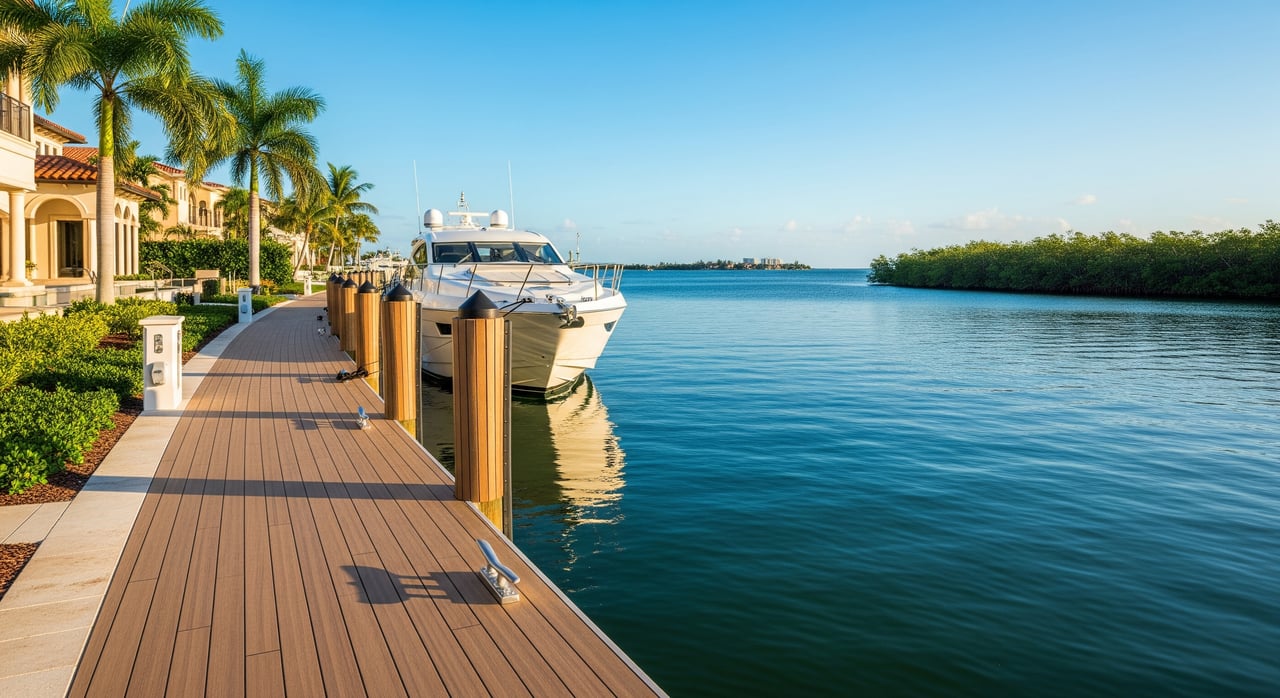
Single‑family waterfront homes avoid condo warrantability hurdles, but they introduce coastal property factors that lenders and appraisers scrutinize. Expect attention on seawall condition, dock ownership and permits, elevation, flood zone, and hurricane mitigation features. You will need homeowners insurance and likely separate flood coverage. In high‑risk coastal zones, those premiums can be significant and must be budgeted as part of PITI and reserves.

Insurance, flood zones, and appraisals

Flood and wind coverage are central to Siesta Key financing. Lenders will confirm flood zone status using FEMA maps and may ask for an Elevation Certificate.

  • If a home is in a Special Flood Hazard Area such as Zone AE or V, flood insurance is typically required for a mortgage.
  • V‑zones carry higher risk due to wave action, which often means higher premiums and stricter underwriting.
  • Florida’s coastal insurance market can shift, so it helps to obtain preliminary quotes early in your process.

Waterfront appraisals can be complex due to limited comparable sales and unique features such as water frontage, view corridors, seawalls, docks, and access. Lenders often order a full appraisal and may request a second appraisal or additional comparable sales for high‑balance loans. Be prepared for more questions and possible valuation reviews.

How to choose the right jumbo lender

Not all lenders view coastal and condo properties the same way. Consider exploring multiple lender types and asking targeted questions.

  • Local banks and credit unions often understand Sarasota coastal nuances and may offer portfolio products with flexible underwriting.
  • Regional and national lenders can be price competitive but sometimes have stricter overlays, particularly on condos.
  • Portfolio and private banks can be a great fit for high‑net‑worth buyers who want relationship banking, non‑standard documentation, or larger loan amounts.
  • Non‑QM lenders and mortgage brokers can help when income is non‑traditional or when the property is a non‑warrantable condo.

Key questions to ask any prospective lender:

  • What is the current conforming limit for Sarasota County, and will my loan be considered jumbo?
  • What down payment and reserve requirements apply for a second home at my target price point?
  • What are your condo warrantability rules, and do you have experience with Siesta Key projects?
  • How do you handle flood insurance documentation and V‑zone properties?
  • What are your turnaround times for pre‑approval, appraisal, and closing on waterfront properties?
  • Do you offer asset‑based or portfolio underwriting options?

Lender prep checklist for waterfront buyers

Gathering documents early will speed up your pre‑approval and keep you competitive in a fast‑moving market.

  • Identification: Government ID, Social Security number, contact information.
  • Income: Two years of W‑2s and tax returns for W‑2 employees. For self‑employed buyers, two years of personal and business returns, plus a year‑to‑date profit and loss and balance sheet if requested. Retirees should collect 1099s, Social Security award letters, pension statements, and investment income statements.
  • Assets and reserves: Bank, brokerage, and retirement account statements. Be ready to document the source of your down payment, including sale proceeds and any gift funds.
  • Credit and liabilities: Explanations for large deposits or withdrawals, and a list of monthly debts such as loans, credit cards, or support obligations.
  • Property items: Once under contract, provide the purchase agreement, HOA documents and condo questionnaire if applicable, any available Elevation Certificate or survey, and details on seawall and dock permits or repair history.
  • Insurance: Preliminary quotes for homeowners, wind, and flood coverage or your agent’s contact information.
  • Appraisal and inspections: Be ready to order quickly and schedule inspections that address coastal elements, including seawall, dock, and roof condition.

Winning in a competitive Siesta Key market

Siesta Key is a high‑demand, seasonal market, and well‑prepared buyers have an edge. A full pre‑approval, rather than a basic pre‑qualification, shows sellers you are serious and ready. If you are financing with a jumbo loan, being fully documented before you write offers can shorten timelines and reduce surprises.

Have your insurance quotes, HOA review, and flood zone research underway early. For condos, confirm warrantability before finalizing terms whenever possible. For single‑family homes, line up seawall and dock inspections promptly so your appraisal and underwriting stay on track.

Next steps

  • Verify whether your target price will be a conforming or jumbo loan based on the current FHFA county limit for Sarasota.
  • Compare lenders who are experienced with coastal Florida, condo warrantability, and second‑home underwriting.
  • Obtain a full pre‑approval and assemble your documents and reserve plan before you tour homes.
  • Partner with an agent who knows Siesta Key buildings, flood maps, insurance realities, and waterfront due diligence.

Ready to map out a financing strategy for your Siesta Key purchase and tour the right properties with confidence? Schedule a private consultation with Michelle Shiver to align your jumbo financing, property search, and closing timeline.

FAQs

How much down do I need for a Siesta Key waterfront second home?

  • Many jumbo lenders expect 15 to 25 percent down on second homes, with 20 percent common, and higher percentages for very large loan amounts or added risk factors.

Will I need flood insurance on Siesta Key?

  • If the property is in a FEMA Special Flood Hazard Area, your lender will require flood insurance, and premiums can be higher in coastal zones like AE or V.

Are condos on Siesta Key harder to finance with a jumbo loan?

  • Often yes, because some buildings are non‑warrantable due to rental mix, HOA finances, litigation, or commercial space, which can require larger down payments and specialized lenders.

Can I rent my second home and still qualify for second‑home financing?

  • Limited seasonal renting may be allowed by some lenders, but short‑term vacation rentals can reclassify the loan as an investment property with higher requirements.

Are jumbo mortgage rates much higher than conforming rates?

  • Jumbo rates typically run a bit higher than conforming, and the premium depends on loan size, down payment, credit profile, and documentation type.

What documents do lenders require for a jumbo loan on Siesta Key?

  • Expect full documentation of income, assets, and liabilities, plus property items like HOA documents for condos, insurance quotes, flood zone details, and coastal inspection reports.

Work With Us

We’d love to hear from you! Whether you’re buying, selling, or just exploring your options, we're here to provide answers, insights, and the support you need. Contact us and start planning your next move.